OpenAI Offers 5% Stake to U.S. Government Amid Rising AI Scrutiny
In Focus
- The proposal could value government’s stake in OpenAI at $42.6 billion
- The stake in OpenAI signals deeper state involvement in the AI industry
- Government stake in AI companies address concerns like job losses
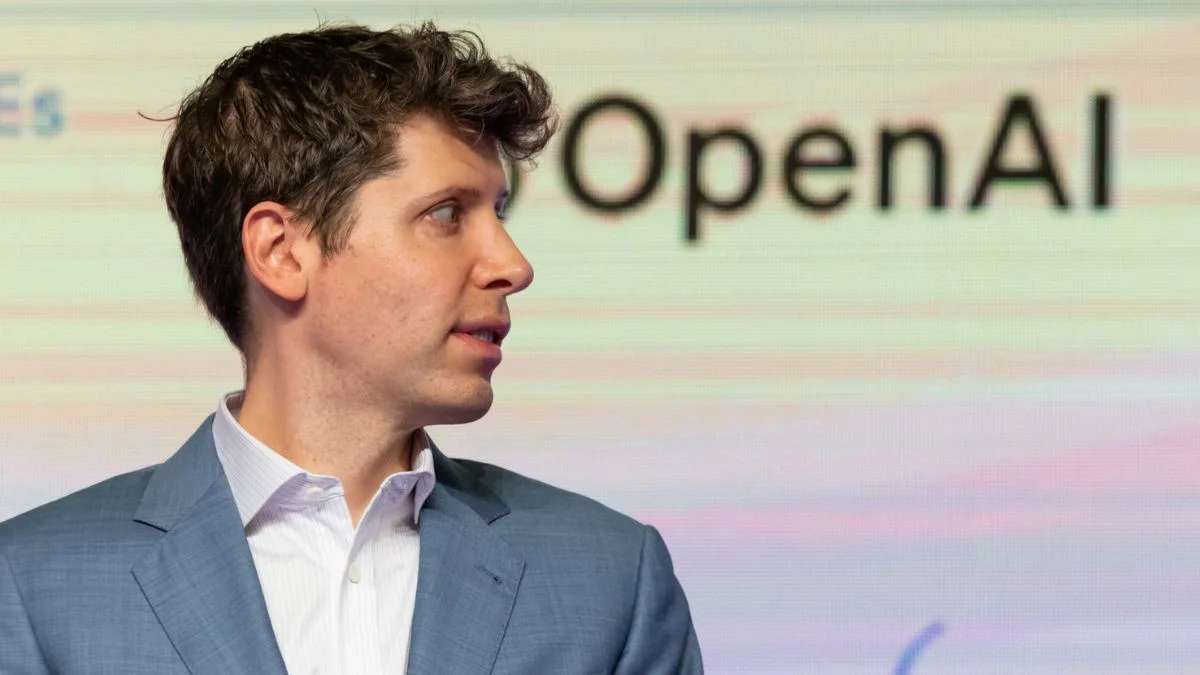
OpenAI is reportedly considering giving the U.S. government a 5% stake as scrutiny over AI firms tightens. OpenAI CEO Sam Altman argues that giving President Donald Trump’s administration a 5% stake would ensure that the benefits of AI are shared widely.
What Would a Government Stake in OpenAI Be Worth?
Based on OpenAI’s $852 billion valuation from the March funding round, a 5% stake in the company would be worth approximately $42.6 billion. Those who support the proposal argue that a government stake in AI companies could help address the concerns around the technology.
These include the potential impact on jobs across industries and its broader implications for national security. Last month, the U.S. government restricted the use of Claude Fable 5 and Mythos over national security concerns.
However, the export restrictions were lifted earlier this week following negotiations between government officials and Anthropic. The White House has also advised OpenAI to restrict access to its upcoming GPT 5.6 AI model to selected partners.
Why is OpenAI Proposing a 5% Stake for AI Firms?
OpenAI’s 5% stake proposal extends beyond the ChatGPT maker. Other AI firms are being encouraged to offer the U.S. government an equity stake. However, it’s still unclear whether AI labs like Google, Anthropic, and Meta will follow the same strategy.
According to the Financial Times, OpenAI executives proposed that major AI developers should allocate 5% in equity to an investment vehicle like the Alaska Permanent Fund. The OpenAI invests U.S. oil wealth into stocks and pays dividends to the state. Previously, the ChatGPT maker and Anthropic have suggested a public or sovereign wealth fund would be required to distribute shares to the public.
It’s not clear whether other AI firms will accept the OpenAI equity proposal, but sources familiar to the discussions say such a will require Congressional law to be implemented. The talks between the government and OpenAI are still in the early stages
Anthropic and OpenAI are getting ready for a public listing in a move that could value both companies at more than $1 trillion. OpenAI’s IPO plans will enable investors to own shares in the AI firms and expand transparency into their finances.
What Does A Government Stake in OpenAI Mean?
A government stake in OpenAI signals deeper state involvement in the AI industry. It blurs the line between private innovation and public ownership. If implemented, the proposal could give the U.S. government greater influence over how advanced AI systems are developed and deployed.
The proposal could also strengthen America’s leadership in AI by aligning private innovation with national interests and ensuring broader public benefit from technological gains. However, it could lead to increased regulation or political oversight that ultimately slows innovation and reduces flexibility for AI companies. Overall, the idea shows how central AI has become to global power competition and national strategy.