Apple Shifts Smart Glasses Launch to 2027 Amid Growing Privacy Concerns
In Focus
- Apple had initially planned to launch smart glasses in late 2026
- The tech company is improving its hardware and privacy framework
- Apple is reviewing camera configurations to balance AI features and public trust
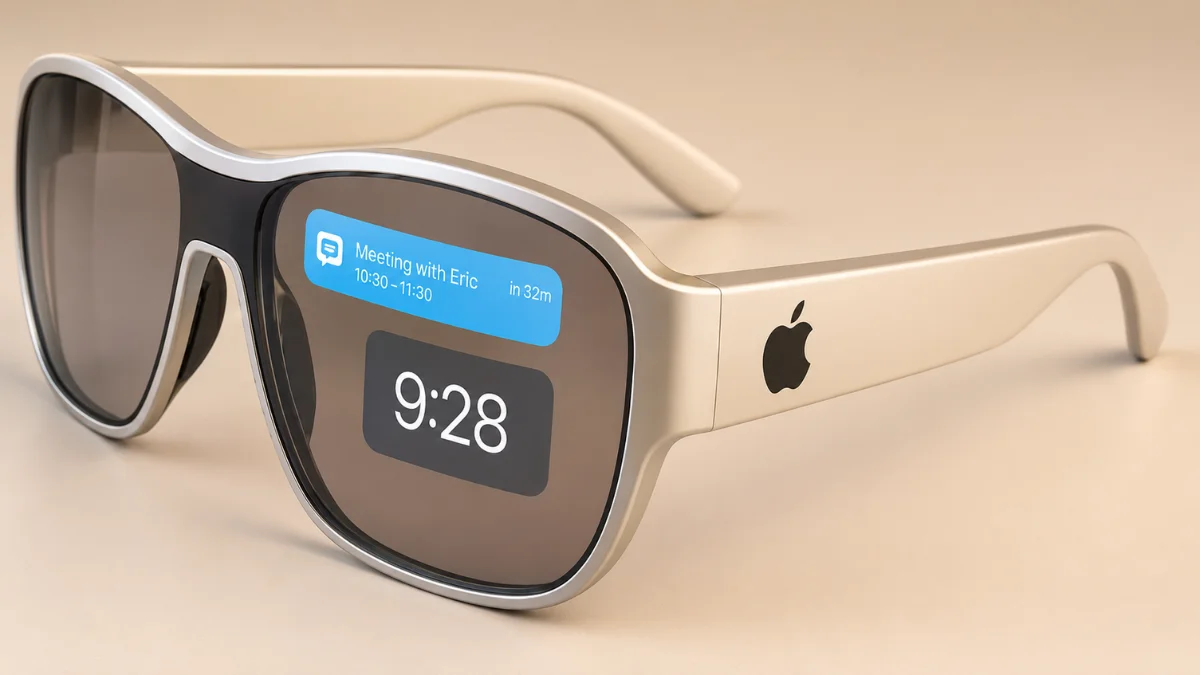
Apple has pushed its smart glasses release schedule to the June 2027 Worldwide Developers Conference (WWDC) with market entry expected later in the year. Initially, Apple planned to unveil its Siri-powered smart glasses later this year and release them to the market in early 2027. With the new release schedule, developers will have time to adapt applications to Apple’s wearable AI platform.
Why Has Apple Rescheduled Smart Glasses Launch?
Apple’s decision to delay the AI glasses launch was largely due to rising concerns over built-in cameras. The iPhone maker is reportedly improving the hardware and privacy framework of the Apple AI glasses before releasing them to the market next year.
Once unveiled, Apple could take a different approach to positioning its smart glasses in the market. The tech company is expected to market its eyewear separately from its current product categories as it works towards maintaining its user privacy protection reputation.
Growing concerns around Meta’s smart glasses privacy practices have reportedly increased caution about smart glasses among consumers. Unlike smartphones, camera-equipped eyewear attract more scrutiny due to their ability to record people without being obvious.
Most people are concerned about being recorded during conversations in public spaces, including restaurants and workplaces. Apple might not use customer recordings to train AI models or engage contractors to review user footage.
The iPhone maker rescheduled its AI smart glasses days after Samsung introduced its first Samsung Galaxy Glasses at the Galaxy Unpacked event in London.
How is Apple Addressing Privacy in Smart Glasses?
A Bloomberg report stated that Apple is reviewing camera configurations in its smart glasses in a bid to balance AI features, public trust, and user convenience. The tech giant is reportedly developing new hardware and software protections that are presently non-existent in its current devices.
Internally, Apple smart glasses teams are being guided by privacy considerations. While Apple could introduce protections that are similar to those adopted by rivals, the tech giant is expected to lean more towards on-device processing. The company is also expected to avoid facial recognition features and environmental analysis features, which are used in Meta’s super sensing mode.
Additionally, the tech giant is reportedly exploring multiple camera configuration concepts. One of these concepts involves removing the cameras completely. Another option involves retaining cameras for purposes of interpreting surroundings for AI features, without enabling video and photo capture. But the first-person content capture feature has helped Meta to drive demand for Ray Ban smart glasses. Removing it could make Apple’s smart glasses less appealing.
What Next for Apple?
By delaying its smart glasses launch, Apple demonstrates the value it places in privacy and long-term consumer trust. With the extended timeline, the company can refine AI capabilities, strengthen on-device privacy protections, and build a strong developer ecosystem. If Apple succeeds in delivering smart glasses that balance innovation with privacy, it could redefine industry standards and turn its delayed entry into a competitive advantage.