
In Focus
- The Indian government blocked Telegram for a week
- The ban was triggered by the NEET exam leak on the platform
- Telegram had challenged the ban in a New Delhi court
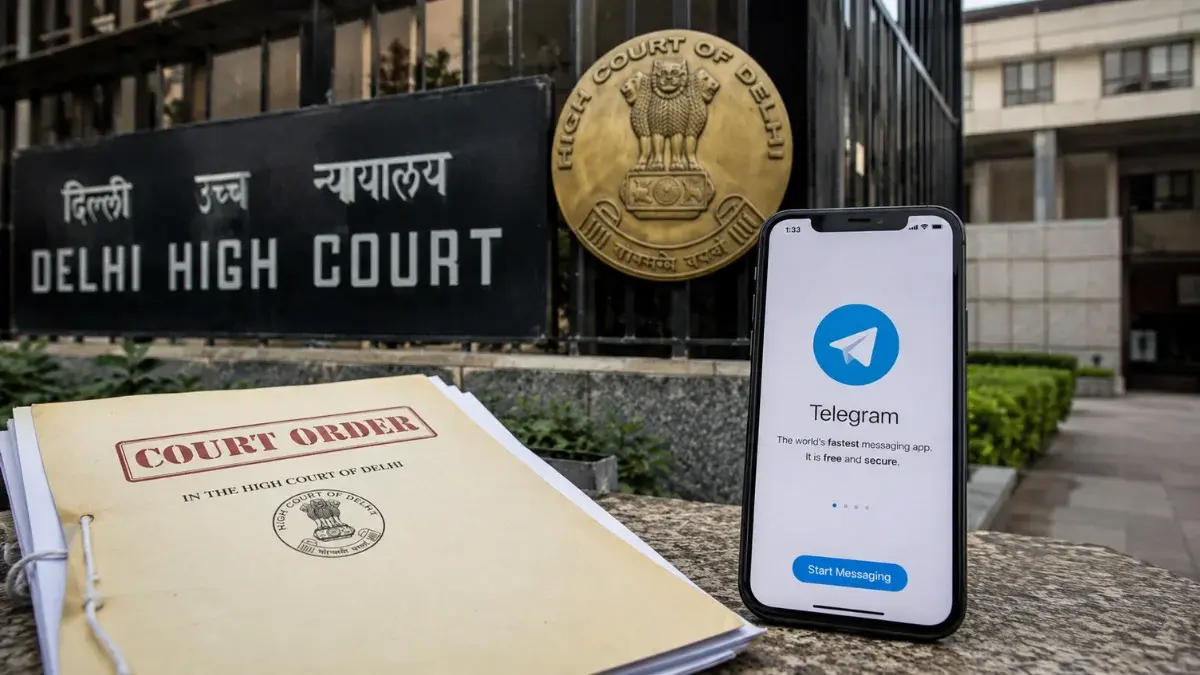
A New Delhi court has rejected an appeal by Telegram to reverse a government order that temporarily banned the messaging app in India. In a ruling delivered on June 19, the court said that the actions taken by the government were both legal and reasonable. The court added that the move was aimed at preserving the integrity of the NEET medical examination.
The government of India is "empowered to issue directions for blocking the public access to Telegram," Delhi ?High Court Justice Tejas Karia said as cited by Reuters.
What Does the Telegram Ban Mean for Free Speech?
Telegram filed a lawsuit against the Indian government after the Ministry of Education banned the messaging app for a week over the NEET exam paper leak. The paper leak prompted authorities to order a re-test for affected NEET candidates.
The government announced that candidates will retake the exam on June 21. While explaining the reason for the Telegram ban, the National Testing Agency said that cheating rackets use the platform to defraud NEET candidates.
But the decision to ban Telegram sparked intense debate in the country with activists claiming that it sets a worrying precedent. According to free speech rights supporters, the ban solidifies government authority in limiting the use of messaging platforms when it deems fit.
The "sets a concerning precedent with consequences ?for the open internet that extend well beyond this case," digital rights group Internet Freedom Foundation noted following the verdict.
Why Anonymity is a Major Issue in the Telegram Ban
Government officials argued that the platform’s case was unique due to anonymity features that allow users to hide their phone numbers while supporting username-based interactions.
The platform also has a feature that allows users to recreate blocked channels.
According to the Indian government, these features make it challenging to enforce compliance. Telegram lost the bid to reverse the ban days after the company’s founder Pavel Durov criticized the move by the Indian Government. Durov argued that the ban only punished users with the exam leaks shifting to other platforms.
How the Telegram Ban Rolled Out in India
Indian telecom companies implemented the temporary ban within hours of the government directive. Google and Apple also removed the messaging app from their app stores to comply with the directive.
Prior to the Telegram ban, the Indian government reproached the messaging platform for failing to remove accounts that allegedly circulated leaked exam papers. But in court, Telegram said the government omitted details of the company’s proactive processes deliberately. The messaging app informed the court that it pulled down over 900 links that involved unlawful exam-related content.
What Does the Court Ruling Means for Telegram?
The latest ruling will likely have significant implications for Telegram and signals broader government powers to intervene in digital communication services. Critics argue it establishes a precedent that may enable authorities to impose restrictions that affect their operations, online expression, and user privacy in India. With over 150 million people using Telegram, India is currently the largest market for the messaging app.

.webp&w=750&q=75 "Meta Launches Enterprise AI Unit and Taps MongoDB CEO to Head it")
.webp&w=750&q=75 "GISEC 2026: AI Agent Security Puts Identity and Human Control in Focus")
.webp&w=750&q=75 "Nvidia Releases An AI Safety Software that Restricts and Monitors Agentic Activity")
.webp&w=750&q=75 "Microsoft Targets Enterprise AI With New Copilot Coding and Agent Tools")