
In Focus
- India has blocked Telegram access until June 22
- Government said cheating rackets use the platform to defraud candidates
- India is Telegram’s largest market by downloads
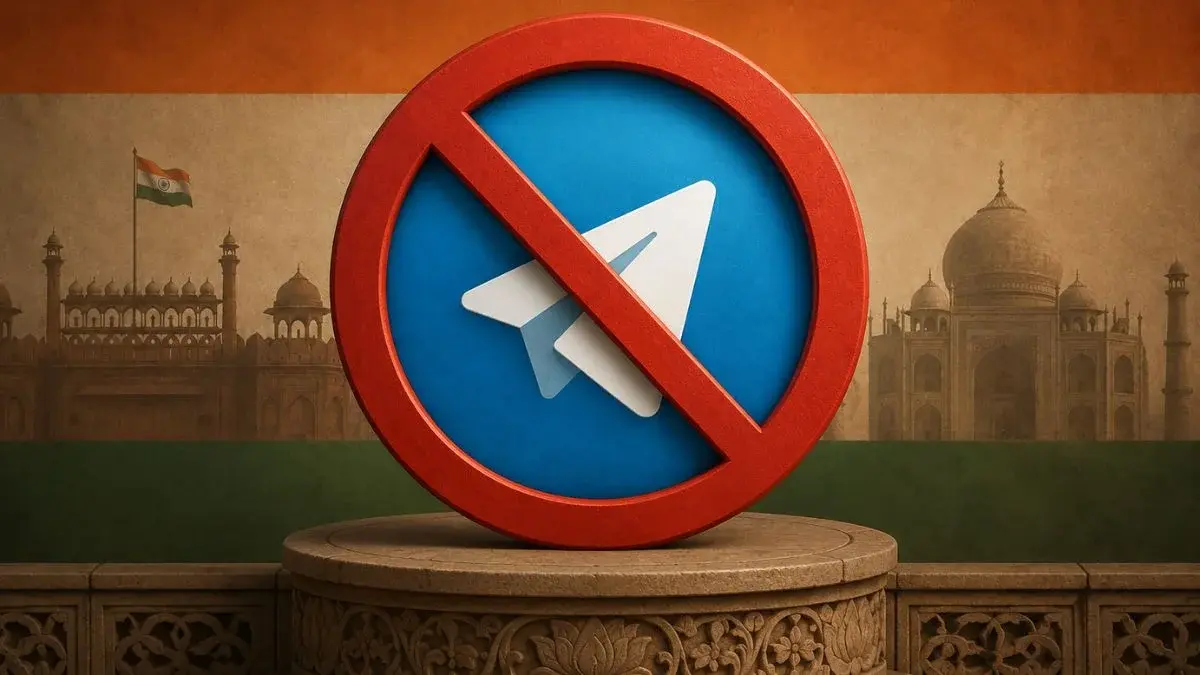
The Indian government has banned Telegram in India until June 22. In a statement released on June 16, the Ministry of Education said the platform has been used to deceive students taking the national medical entrance examination.
Why did India Ban Telegram?
India is blocking Telegram due to NEET fraud. NEET, which stands for National Eligibility cum Entrance Test, is India’s major undergraduate entrance exam for medical colleges. In May this year, the government cancelled the national exam after questions leaked beforehand.
According to the National Testing Agency (NTA), the Telegram ban in India is a "response to the organised use of the platform by cheating rackets to defraud candidates appearing for the NEET ?2026 re-examination ?scheduled on 21 June 2026."
The NTA reportedly said that multiple Telegram channels were advertising access to NEET exam papers openly. The channels included "PAPER LEAKED NEET,” “Private Mafia”, and “Re-NEET 2026”. Cheating rackets were asking candidates to pay lakhs of rupees to access the leaked exams.
News about Telegram exam cheating sparked protests across the country, with students calling for the resignation of Education Minister Dharmendra Pradhan.
What Law Is India Using to Block Telegram?
India's telegram ban is based on a provision in the country's IT law that allows the government to block online platforms where the "interest of sovereignty and integrity of India" is at stake.
But activists have challenged the ban, claiming that the Indian government is using the legal provision to suppress free speech. In recent years, Telegram has experienced rapid growth in India. WhatsApp continues to dominate the Indian market and recently introduced prepaid mobile recharges in the country.
However, India remains Telegram’s largest market by downloads. This means the sweeping ban will affect a messaging platform whose usage transcends politics and news. Telegram has not issued an official response to the temporary ban imposed by the Indian government yet. Telegram was still accessible in some parts of India until 12.00PM IST on June 16 as restrictions rolled out gradually across networks.
Why Telegram Says a Ban Won’t Work
Telegram's founder Pavel Durov has criticized India’s decision to block the messaging platform for a week, arguing that it has not solved the problem. According to Durov, the ban does not punish the cheating rackets, the leaked content continues to circulate on other platforms.
“India’s IT ministry banned Telegram for one week because some users shared leaked exam questions. This punishes 150M+ ordinary Telegram users in India, not the insiders who leaked the exam materials. And the ban hasn't stopped anything. The leaks just moved to other apps,” Durov said in a post on X.
Why Do Fraudsters Use Telegram?
Fraudsters prefer Telegram because of the anonymity it offers. The platform lets users hide their contacts when creating profiles, and a single account can run a channel with unlimited subscribers while staying anonymous.
Telegram added a third-party account verification feature earlier this year. However, the platform does not encrypt messages, except secret chats, unless a user selects the option manually.
The Indian government regretted inconveniences caused to hundreds of thousands of users following the temporary Telegram ban. It however noted that measure was a last resort after previous efforts to curb exam cheating on the platform failed.

.webp&w=750&q=75 "Meta Launches Enterprise AI Unit and Taps MongoDB CEO to Head it")
.webp&w=750&q=75 "GISEC 2026: AI Agent Security Puts Identity and Human Control in Focus")
.webp&w=750&q=75 "Nvidia Releases An AI Safety Software that Restricts and Monitors Agentic Activity")
.webp&w=750&q=75 "Microsoft Targets Enterprise AI With New Copilot Coding and Agent Tools")