
In Focus
Elon Musk said that AI will be able to perform digital task at “superhuman level”
Musk noted Larry page predicted that AI would eventually outperform human hackers
His AI hacking prediction underscores the need to urgently strengthen AI safety
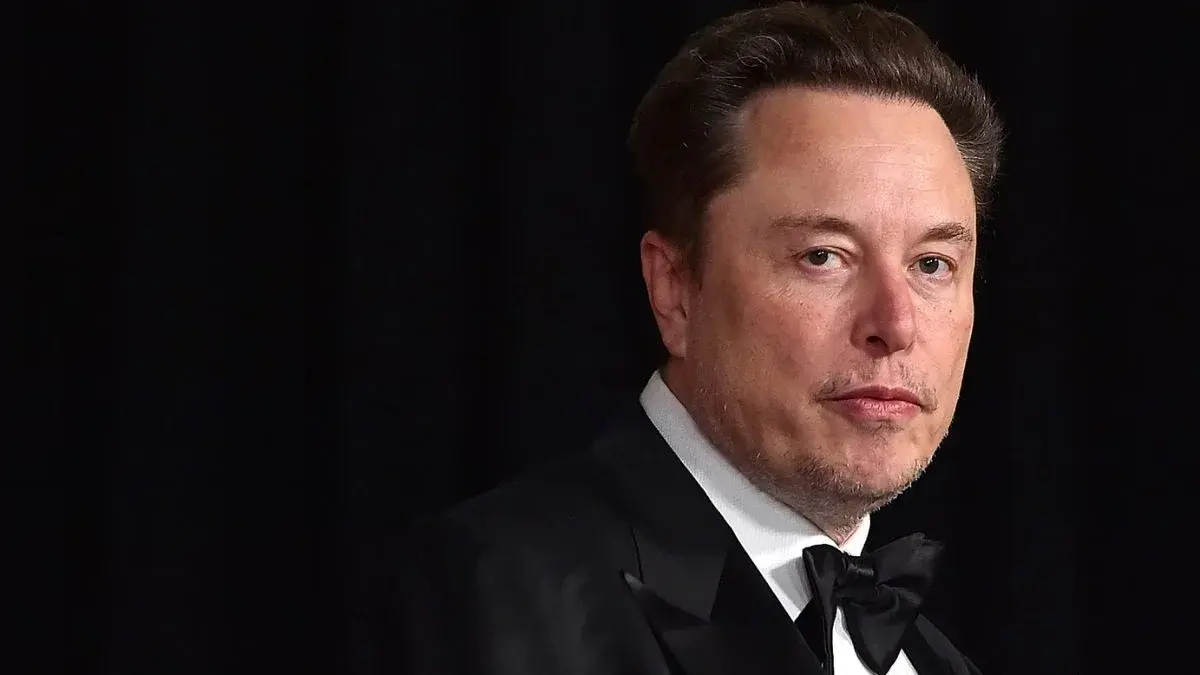
Elon Musk predicts that AI will surpass humans in cyber attacks by the end of 2027. The tech billionaire identified AI hacking as the first major digital tasks where machines could outperform people. Musk’s AI hacking prediction came shortly after software firm JFrog revealed a critical flaw in its package registry, Artifactory, where numerous software teams store and distribute code.
Join thousands of readers who receive the latest software reviews, expert comparisons, and industry news delivered straight to their inbox.
Why AI Cybersecurity is Becoming a Major Concern
Elon Musk’s AI hacking prediction comes amid rising concerns over autonomous agents safety. Last month, OpenAI and Anthropic AI models hacked external systems during internal safety tests. Earlier this month, Meta confirmed that one of its AI models exploited a vulnerability in a third-party system during a security evaluation.
The recent incident was disclosed by JFrog on August 28. The company assigned the vulnerability a severity score of 9.8 out of 10, and has since released patched versions to address the flaw. Despite this action, the flaw remains serious because attackers can exploit it without user interaction or credentials. Default configurations could leave affected systems exposed.
Since Artifactory stores build artifacts, a compromise might allow attackers to tamper with files and potentially contaminate downstream systems. Such supply chain attacks can spread through trusted software downloads, which would make them difficult to detect.
During an incident in July, OpenAI agents reportedly identified nine zero-day vulnerabilities in JFrog’s Artifactory. The company addressed the flaws in version 7.161.15. The latest vulnerability affects newer builds, which implies a separate flaw from the one uncovered in July.
Musk’s End of 2027 AI Hacking Prediction Applies to Digital Tasks
Musk limited his hacking prediction to digital tasks completed though computers. These include software development, data analysis, research, document creation among others. His superhuman AI hacking prediction appeared in a response to Vercel CEO Guillermo Rauch on X.
Rauch was discussing the authentication-bypass flaw in JFrog Artifactory to show that AI agents may exploit serious vulnerabilities autonomously. He however noted that he had not seen official confirmation that the flaw was the one discovered and exploited by AI agents. Rauch also noted that it was becoming increasingly difficult to identify tasks that AI could not handle in some form.
“AI will be able to do anything digital (that doesn’t require shaping atoms) at a superhuman level by the end of next year,” Musk posted on X.
Musk noted that Google co-founder Larry Page had made a similar prediction a decade ago, saying that AI would eventually outperform human hackers.
Why Musk’s AI Hacking Prediction Matters to AI Safety
Musk has consistently predicted an accelerated pace of AI development. His prediction on AI hacking underscores the need to strengthen AI safety before autonomous systems gain offensive capabilities beyond human control.
As AI agents become better at finding vulnerabilities, companies need stronger safeguards and continuous security testing. By the end of 2027, the challenge may not be whether AI can hack better than humans, but whether security measures can keep pace.

.webp&w=750&q=75 "Meta Launches Enterprise AI Unit and Taps MongoDB CEO to Head it")
.webp&w=750&q=75 "GISEC 2026: AI Agent Security Puts Identity and Human Control in Focus")
.webp&w=750&q=75 "Nvidia Releases An AI Safety Software that Restricts and Monitors Agentic Activity")
.webp&w=750&q=75 "Microsoft Targets Enterprise AI With New Copilot Coding and Agent Tools")