
In Focus
- The new CAS system determines closing price of about 200 stocks
- Retail traders claim the new favors institutional investors more
- Regulators say without CAS, passive funds could face differences in index trading outcomes
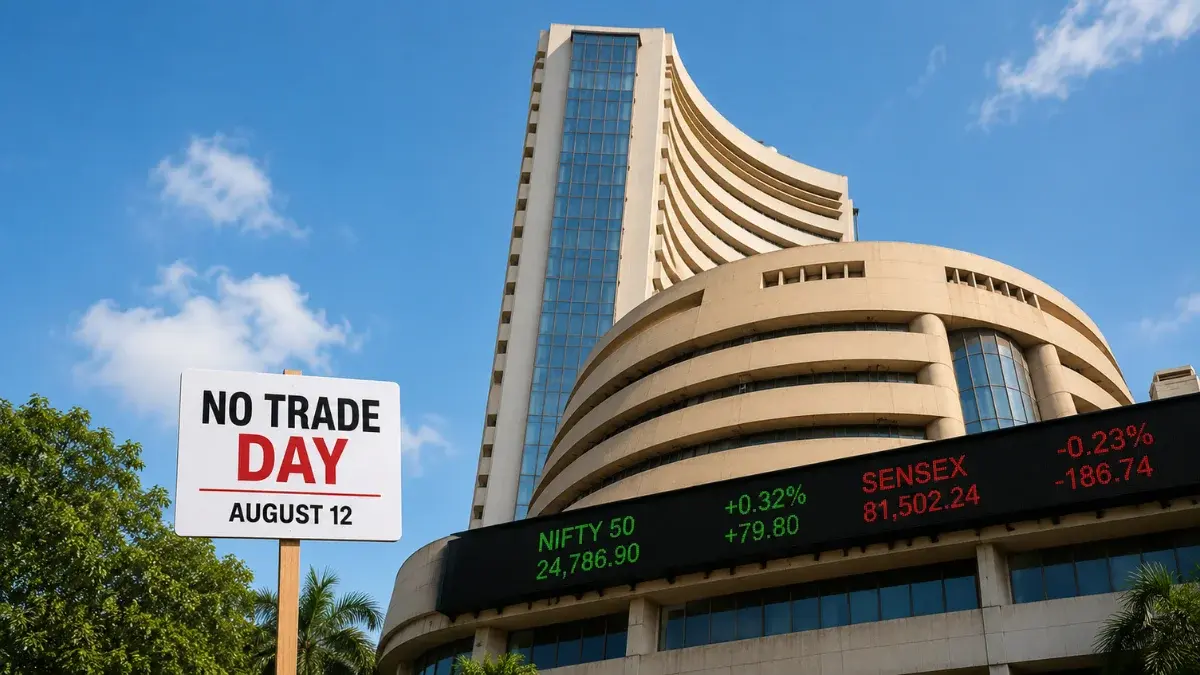
Retail traders in India are running a “No Trade Day” campaign on August 12 to protest the newly introduced system, Closing Auction Session (CAS). The new mechanism is designed to determine the closing prices of stocks with derivatives contracts through a dedicated auction session.
Why Are Retail Traders Protesting Against CAS?
Day traders claim that CAS works against them and favors institutions investors. They also say the new mechanism has expanded divergence between the two leading indices, Nifty and Sensex. According to the traders, the differences in closing prices of stocks results in substantial losses. Retail traders will also boycott trading on August 12 to oppose high taxes and frequent changes in trading rules by regulators.
“No trade day on Aug 12. Against STT (securities transaction tax). Against CAS.” one trader said in a post on X as cited by Business Today.
Another post with more than 15,000 followers read, “one day trading boycott against regulations and rising taxes impacting retail traders,” another trader posted.
But the Securities and Exchange Board of India (SEBI) has argued that without CAS, passive funds risk experiencing differences in index trading outcomes in the Indian securities market.
How is the Closing Price of Stocks Currently Determined?
Before CAS was introduced, closing prices were determined using the Volume Weighted Average Price (VWAP) of trades executed during the final 30 minutes of the Continuous Trading Session. CAS will not apply to the relevant Futures and Options trading, while other securities retain VWAP.
The new CAS mechanism will change this approach by making closing prices more sensitive to sizable institutional orders placed toward the end of the trading session. This sensitivity could increase during index rebalancing and derivative expiry. In such situations, concentrated trading activity and heightened volatility could result in price distortions that affect passive funds.
According to SEBI, feedback from global passive funds that trade in Indian equities showed higher end-of-day price volatility compared to other markets. The regulator argued such volatility could affect the performance of exchange-traded, mutual, and passive funds. It could also impact investment returns and the overall trading experience of retail investors.
With the new CAS system, SEBI is looking to promote greater stability and transparency in closing prices. The market regulator also expects the new mechanism, which is used in leading global markets across the U.S, Asia, and Asia, to improve price discovery and reduce the impact of concentrated end-of-day trading activity.
Impact of the “No Trade Day” Protest
The “No Trade Day” on August 12 protest could intensify calls for greater transparency, consultation and possible adjustments to the new framework. The coming weeks will test whether CAS can deliver more stable and transparent closing prices without disadvantaging retail traders. SEBI is expected to monitor volatility, liquidity and price discrepancies in index rebalancing and expiry closely.


.webp&w=750&q=75 "DriveWealth Data Breach Exposes Revolut’s Irish Customer Data")
.webp&w=750&q=75 "Meta Connect 2026 Announcements: Muse Takes Center Stage")
.webp&w=750&q=75 "AI Shopping Agents Could Increase Fraud, Data Privacy Risks, Banks Warn")