
In Focus
The proposed EU Kids Act prohibits social media accounts for under-13
The new restrictions will affect social media platforms, AI chatbots, and online games
European Parliament and member states must agree to the proposal before it becomes law
The European Commission is planning to introduce a social media ban across the EU for children below the age of 13. The regional block is also looking to prohibit under-15 users from creating a social media account in a bid to address online safety concerns. The Commission’s proposal comes days after California enacted a social media law banning under-16 users from accessing addictive features.
What the EU Will Achieve With the Child Online Safety Law
Under the proposed Kids Act, the EU will significantly limit teen access to social media platforms. The law bans access to social media platforms for children aged 3 to 12. However, they can access child-friendly video services for an hour a day through a parent-owned account. The proposed law makes AI chatbot switchoff mandatory for minors.
For teenagers aged 13 and 14, access to social media is limited to one hour per day using “mini accounts” set up through their parent or guardian’s accounts. The new law will require social media platforms to demonstrate that their services are safe for minors, instead of having regulators prove that they are unsafe.
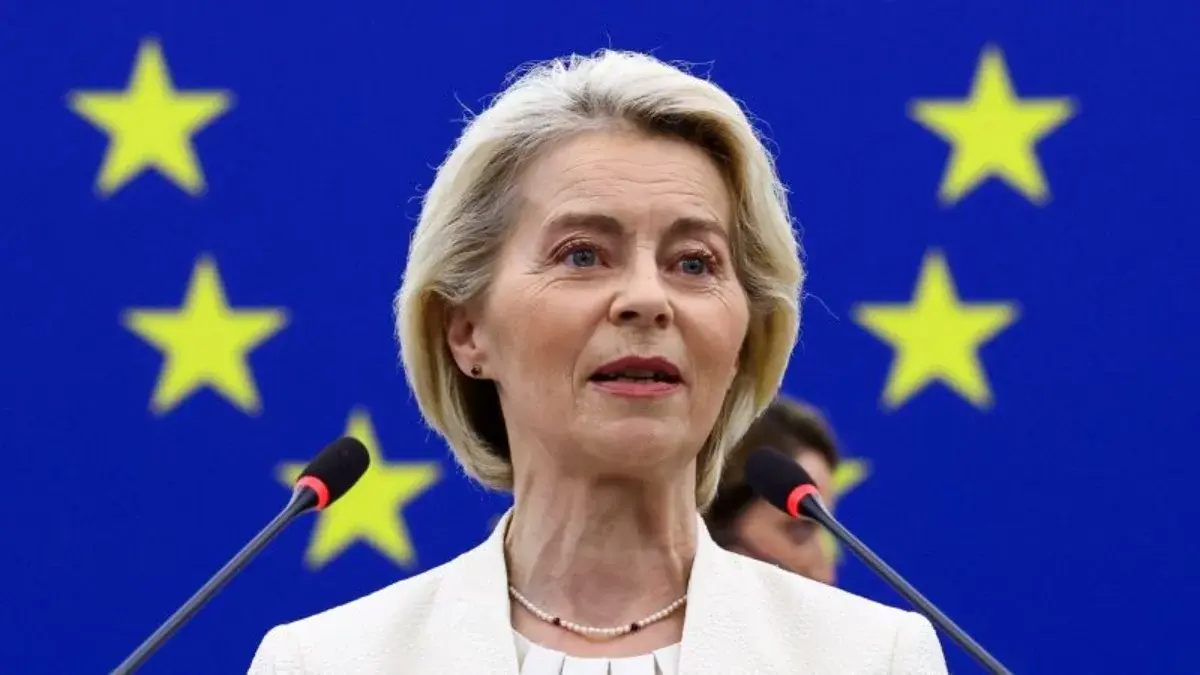
“Today, our children are engaging with the most sophisticated technologies ever created. Technology that was never created with their wellbeing in mind. Our KIDS Act is reversing the burden of proof, it is for platforms to show they are safe by design. And we put parents back in the driving seat, giving them the tools to help their children navigate a safer online world,” European Commission President Ursula von der Leyen said as cited by The Next Web.
The restrictions will affect popular social apps such as TikTok, Instagram, and Snapchat as well as AI chatbots, and online games.
How Will EU’s Kids Act Protect Teens Online?
Under the proposed Kids Act, children will be allowed to open social media accounts once they attain the age of 15. However, the new law requires social media platforms to conduct age verification for apps and app stores whenever a new account is created.
At the same time, the companies will be expected to do eliminate addictive features like infinite scrolling, nightime notifications, and tracking-based feeds for under-18 users. The companies will also be required to keep profiles for these users private by default. They will also be expected to turnoff user location, camera, and microphone.
Before introducing new features, major social media platforms will have to submit safety plans to the European Commission and an independent auditor, The EU child online safety law introduces fines of up to 6% of a company’s global annual revenue for non-compliance.
What Next for the EU’s Social Media Law?
The EU Kids Act is still a proposal that must be agreed upon by member states and the European Parliament before becoming law. Although the Commission would like to have it adopted fast, some states like Estonia don’t support age-based social media bans. Previously, the European Parliament had sought to limit social media access to under-16.

.webp&w=750&q=75 "Meta Launches Enterprise AI Unit and Taps MongoDB CEO to Head it")

.webp&w=750&q=75 "Microsoft Targets Enterprise AI With New Copilot Coding and Agent Tools")
.webp&w=750&q=75 "U.S. Government Seeks to Back Elon Musk’s X in the EU Fine Appeal")