Telegram Takes Indian Government to Court Over Week-Long App Ban
In Focus
- Telegram has filed a lawsuit at Delhi high court over India ban
- The case will be heard on June 17
- Telegram CEO Pavel Durov has termed the temporary ban “a mistake”
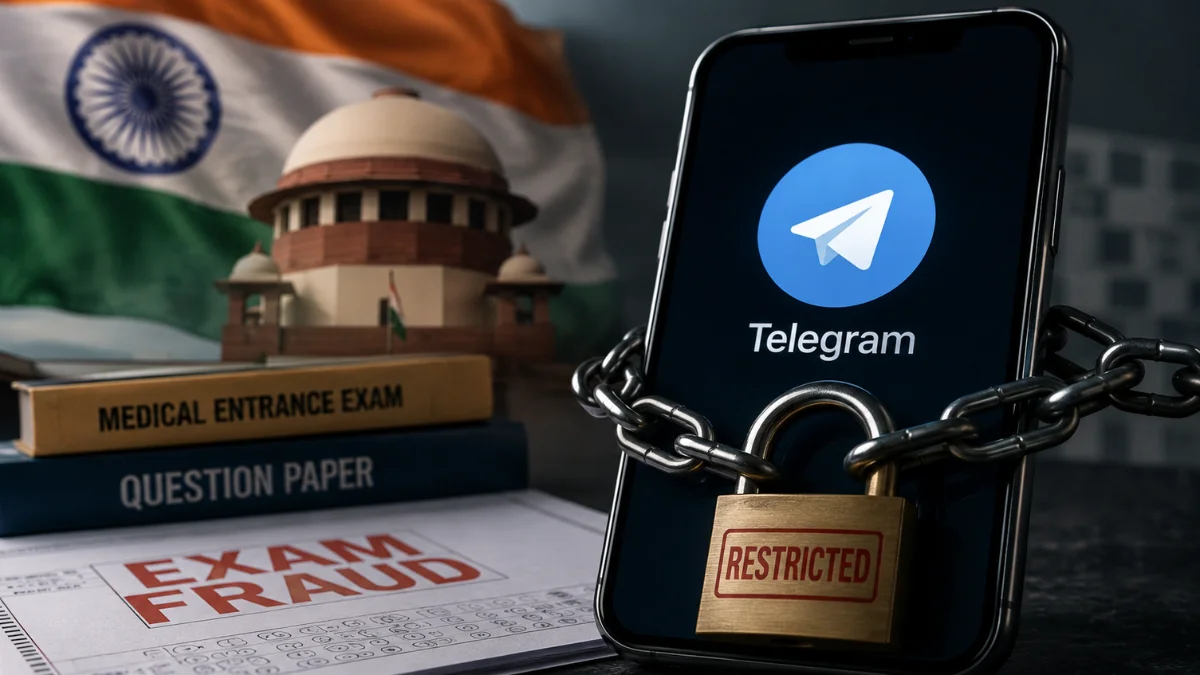
Telegram has taken the Indian government to court over its week-long ban on the platform. The company filed a lawsuit against the government of India on June 17 after it blocked access to the platform over leaked medical exam concerns. Telegram lawyers filed the lawsuit at the Delhi High Court where it was reportedly mentioned on June 17 and hearing set for later in the day.
What Is the Delhi High Court Hearing About?
The lawsuit comes after CEO Pavel Durov publicly criticised the ban, saying it would not work because the people who leaked the exam papers had already moved to other platforms.
Telegram’s legal challenge stems from the government’s claim that NEET question papers leaked on the platform ahead of the May exam, which was subsequently cancelled and rescheduled. The Central Bureau of Investigation (CBI) is investigating the case and has arrested over a dozen people so far.
The National Testing Agency (NTA), which administers NEET, has defended the ban. While acknowledging the inconvenience caused to users, the NTA said the move was a response to “cheating rackets” that used the platform to defraud candidates.
Durov, for his part, said banning the platform was a mistake. He described Telegram as a force for good and claimed the platform had “removed hundreds of channels sharing leaked exam materials and related scams in India” weeks before the ban was imposed.
Is This India’s First Ban on a Messaging Platform?
Yes. This is the first time India has ordered a nationwide block on a messaging platform, and it has raised a straightforward question: does banning an app actually stop exam fraud?
Analysts say the implications go beyond this case. Many businesses in India use Telegram communities to reach customers, and a platform-level ban hits those users too.
“Now for exams you’re blocking a messaging platform nationwide. The same activity can happen on WhatsApp and Discord. Will you block that too?” Tech Analyst, Nikhil Pahwa asked as cited by the BBC.
Opposition leader Mallikarjun Kharge has weighed in on the matter and called on Prime Minister Narendra Modi to “demand the resignation of Education Minister Dharmendra Pradhan” over the ban.
While some students support the ban, they challenged the Indian government to focus more on individuals who are responsible for the leak. Most Telegram users in India say they relied on Telegram to access study material for free as opposed to costly alternatives.
What Does the Telegram Ban Means for India?
The Telegram ban marks a significant moment in India’s approach to tackling digital misconduct, raising difficult questions about the balance between enforcement and internet freedom.
While authorities argue the move was necessary to curb exam fraud, critics contend that targeting an entire platform may not address the root cause of the problem. As the legal battle unfolds, the case could shape how India responds to future online violations and determine the limits of government intervention in digital communication platforms.