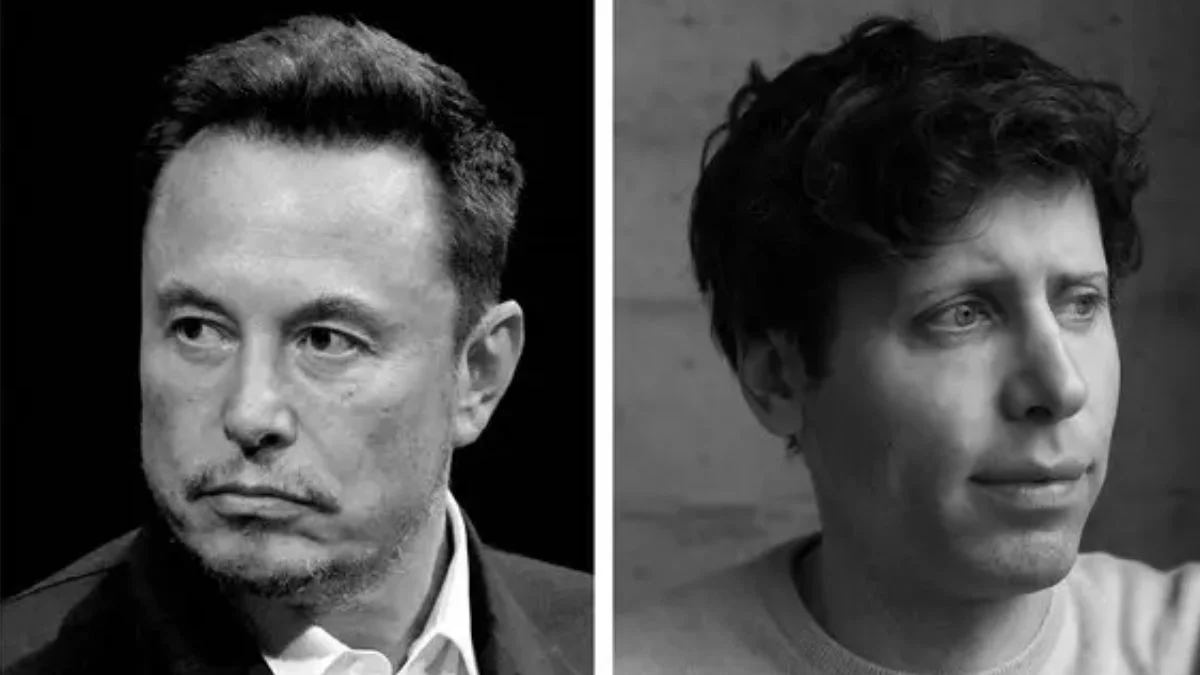
Sam Altman Says Musk Abandoned OpenAI, Not the Other Way Around
In Focus
- Altman: Musk abandoned OpenAI, didn’t fund it enough, and wanted total control
- Musk sued in 2024, claiming his $38M donation was misused for commercial gain
- Closing arguments set for May 14; Judge Gonzalez Rogers makes the final call
Sam Altman sat on the federal witness stand for four hours and flipped the Elon Musk OpenAI lawsuit narrative on its head. The OpenAI CEO testified in Oakland, California on May 12, 2026, telling the jury that Musk did not keep his promises and deserted the startup at its most uncertain point.
What Did Altman Actually Say on the Stand?
Altman’s testimony directly challenged Musk’s core claim in the Sam Altman OpenAI trial. Musk had sued in 2024, alleging that Altman and OpenAI president Greg Brockman abandoned the nonprofit mission and misused his roughly $38 million in donations for commercial purposes.
Altman denied making any commitments to Musk about OpenAI’s corporate structure. He described Musk’s 2018 departure from the board as a crisis moment for the young company.
“We were kind of left for dead,” Altman testified, as quoted in a CNBC report on the trial proceedings.
The OpenAI nonprofit dispute also surfaced around a December 2018 email Musk sent after leaving the board. In it, Musk wrote: “My probability assessment of OpenAI being relevant to DeepMind/Google without a dramatic change in execution and resources is 0%. Not 1%. I wish it were otherwise.” Altman said that line was “burned into my memory.”
Was This About Charity — or About Control?
The Sam Altman Elon Musk conflict took a sharper turn when Altman told the jury what he believed Musk actually wanted. He testified that Musk pushed hard for total control of OpenAI. He said Musk had decided he would only work on companies he controlled.
“I was extremely uncomfortable with it,” Altman said.
Key flashpoints from the testimony:
- Musk proposed merging OpenAI with Tesla to bring in capital. He offered Altman a Tesla board seat to push the deal through
- Altman rejected it. “Tesla is a car company, and it does not have the mission of OpenAI,” he said
- Musk’s lawyer Steven Molo challenged Altman on his trustworthiness, bringing up his 2023 board removal and a dispute with Anthropic founder Dario Amodei
- When asked whether he was “completely trustworthy,” Altman initially said “I believe so” before amending his answer to a flat “yes”
Altman also addressed the OpenAI co-founders dispute around his 2023 firing. The board had said he was “not consistently candid.” Altman testified he was blindsided. “I had poured the last years of my life into this. I was watching it about to be destroyed.”
Where Does the Elon Musk OpenAI Lawsuit Go From Here?
Closing arguments in the Elon Musk OpenAI lawsuit are set for Thursday, May 14, 2026. The nine-person jury is advisory. That means Judge Yvonne Gonzalez Rogers will make the final call. OpenAI’s for-profit subsidiary, established after Musk’s departure, now carries a private valuation of over $850 billion.
For B2B leaders and investors watching AI governance closely, this trial draws a direct line between founding documents and long-term liability. How courts interpret charitable mission language in AI company charters could shape how future funding agreements are written across the industry.