OpenAI Eyes AI-Centric Smartphones With Custom Chipset
In Focus
- OpenAI has partnered with MediaTek and Qualcomm to develop chips for AI smartphones
- Processor design prioritizes energy efficiency and memory management
- AI-centric smartphones would shift OpenAI’s focus to context-aware computing
OpenAI is reportedly partnering with Qualcomm and MediaTek to build custom processors for AI smartphones. The two chip manufacturers are expected to benefit more from long-term demand should the smartphones become popular. OpenAI’s smartphone chipset development plans are still in the early stages, with mass production expected in 2028.
OpenAI Prioritizes On-Device Agentic Capabilities
OpenAI’s AI-powered smartphone processor design will reportedly prioritize memory management, energy efficiency, and on-device agentic capabilities. Heavy tasks will be shifted to cloud infrastructure. The AI firm is expected to finalize details about processor specifications and supply chain partners towards the end of this year or early 2027.
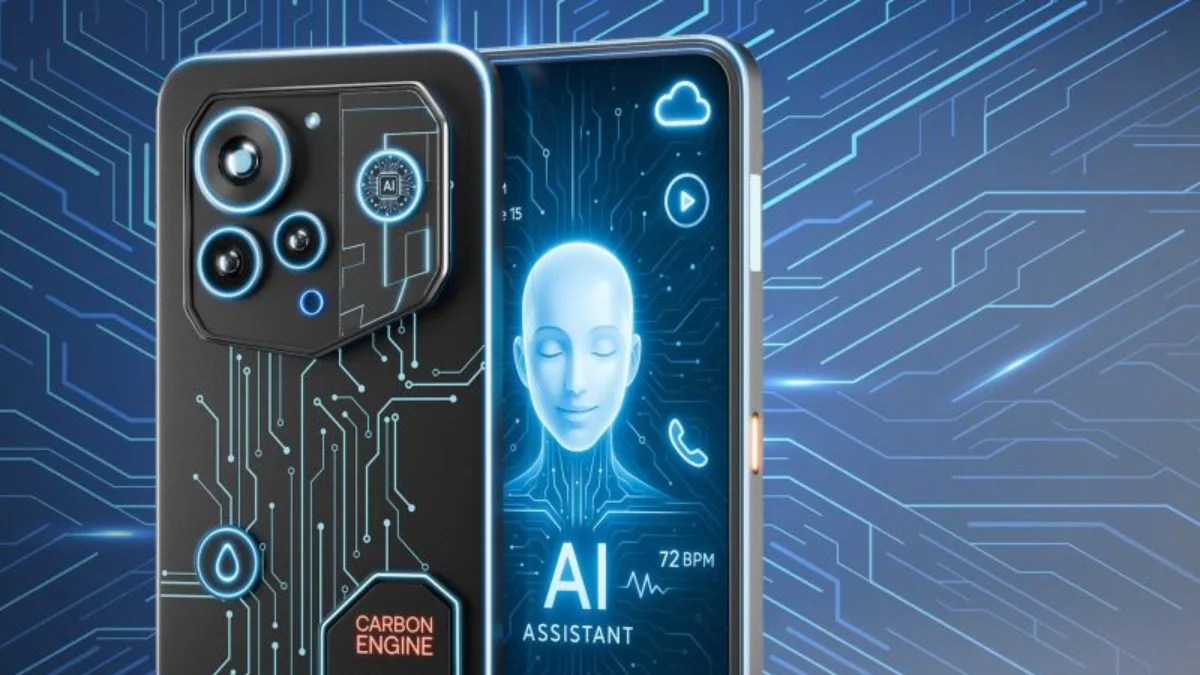
However, Luxshare is expected to be the exclusive co-design and production partner. But OpenAI’s hardware strategy transcends development of custom chips. The AI developer is reportedly exploring ways of developing an AI-centric smartphone. Analysts say it is prioritizing control over software and hardware ecosystems.
“Only by fully controlling both the operating system and hardware can OpenAI deliver a comprehensive AI agent service. The smartphone is the only device that captures the user’s full real-time state, which is the most important input for real-time AI agent inference. Smartphones will remain the largest-scale device category for the foreseeable future,” TF Securities International Analyst, Ming-Chi Kuo noted in a post on X.
OpenAI has been developing its first AI-native consumer product in partnership with former Apple design lead, Jony Ive. The AI firm started prototyping the hardware product in November 2025.
The Shift from Apps to Unified Systems
OpenAI’s idea of bringing AI agents to smartphones could change how users interact with their devices. The move could pave the way for device owners to use a unified system to complete tasks, as opposed to navigating multiple apps.
“Users are not trying to use a pile of apps. They are trying to get tasks done and fulfill needs through the phone. This fundamentally changes how people think about smartphones. I made a smartphone interface concept design, shown at the end of this post, for comparison with today’s model, using the iPhone as an example,” Kuo added.
If OpenAI succeeds with its AI agent smartphone approach, it would shift from the conventional app-based ecosystems to context-aware computing. Google is also moving towards this direction. Recently, the search giant ventured into context-aware AI in its latest Gemini App update.
Why AI-Centric Smartphones Matter to OpenAI
When it comes to AI-centric smartphones, OpenAI has a unique advantage. The company could leverage its strength in consumer brand recognition, AI models, and accumulated user data to develop a unified ecosystem.
OpenAI could also bundle its custom chips with its existing subscription-based services. This is not the first time that OpenAI has developed AI chips. Last year, the company partnered with Broadcom to design and produce its first custom AI chips to power its rising need for AI compute capacity. The initial batch of these chips will be shipped by the end of this year.