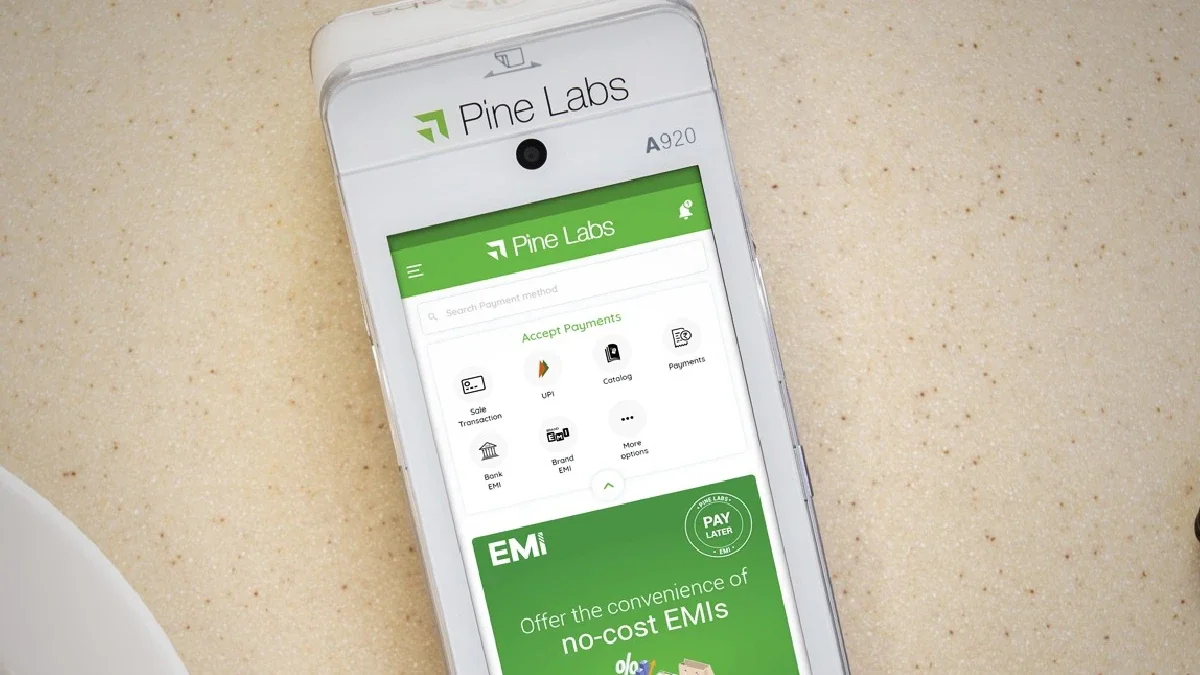
Pine Labs P3P Platform Allows AI Agents to Complete UPI Payments for Users
In Focus
- P3P enables AI agents to complete transactions autonomously
- The protocol extends the existing UPI mandate framework
- Pine Labs has partnered with Grantex to provide identity verification
India’s fintech firm Pine Labs has launched P3P, a payments infrastructure that enables AI agents to complete Unified Payments Interface (UPI) transactions. Pine Labs Protocol (P3P) eliminates manual authentication during payments. Pine Labs developed the platform on the existing UPI mandate framework.
Why Pine Labs Developed the P3P Agentic Payment Protocol
According to Pile Labs, India’s current UPI infrastructure supports manually-initiated transactions. This means users must approve payments before transactions can be completed. While this has worked for digital payments, it presents a challenge for agentic commerce where AI systems are built with browsing, product comparison, and purchase completion capabilities.
P3P is designed to extend the existing UPI’s mandate framework, which includes Reserve Pay, Single Block Multiple Debit (SBMD) and One-Time Mandates (OTMs). With this extension, shoppers can authorize payments upfront with clear limits. Agentic tools finalize transactions within the set limits without requiring additional approvals from users.
“With P3P, we are moving from manual savings to autonomous wealth creation. Pine Labs has built the infrastructure to make this possible,” Gullak Co-founder Manthan Shah noted.
Pine Labs introduced P3P days after OpenAI partnered with Visa to make agentic commerce more reliable, accessible, and secure. Gullak is already live on P3P. The AI agents on the digital gold savings platform complete transactions on behalf of users.
For instance, a user can issue an instruction to “Buy ₹500 of gold if the price drops below ₹16,000 per gram” and approve the UPI mandate. The Gullak AI agent executes the instruction and sends a confirmation to the users.
How Does Pine Labs UPI Payments Work?
Pine Labs said it is partnering with Grantex to provide identity verification and delegated authorization. Grantex will also offer support around spending limits, compliance checks, and audit rails. Pine Lab’s agentic payment protocol also incorporates HTTP 402, a web standard for machine-readable payment requests.
The HTTP 402 standard enables AI agents to make and receive payments autonomously. Pine Labs said users will maintain control over AI-powered payments by:
- Setting spending limits
- Verifying AI agent identities
- Reviewing transaction histories
- Revoking permissions where need arises
The P3P protocol is already live and being deployed across industries. Besides Gullak, Vijay Sales, an electronics retailer, has also deployed the protocol. The P3P protocol is currently limited to UPI payments. However, Pine Labs is working with major card networks to expand support to card transactions.
What AI Agent UPI Transactions Mean for India
In India, autonomous payments represent a significant step in India’s digital payments evolution. By enabling trusted AI agents to execute payments within pre-approved limits, Pine Labs’ P3P protocol could unlock new use cases across investing, retail, subscriptions, and personal finance.
The technology has the potential to make digital transactions faster and more efficient while preserving user control through spending limits, identity verification, and audit trails. If adopted at scale, agentic payments could position India at the forefront of AI-powered financial infrastructure and redefine how consumers interact with digital services.